How to Maintain Different Roof Types on the Same Building: Part II
This past week, we took a look at a building that has several different roof types and several different roof areas. Although there’s many different roofs on this building it’s still just one building. Some of the roofs are sloped and some of the roofs are flat and some of them are a bit of a hybrid, in between. The variety of Sloped and contexts is one of the reasons that they’ve used so many different types of roofing materials. This past week, we talked about the slate roof at the mansard. Today, we are going to switch gears and talk about the low slope roof.
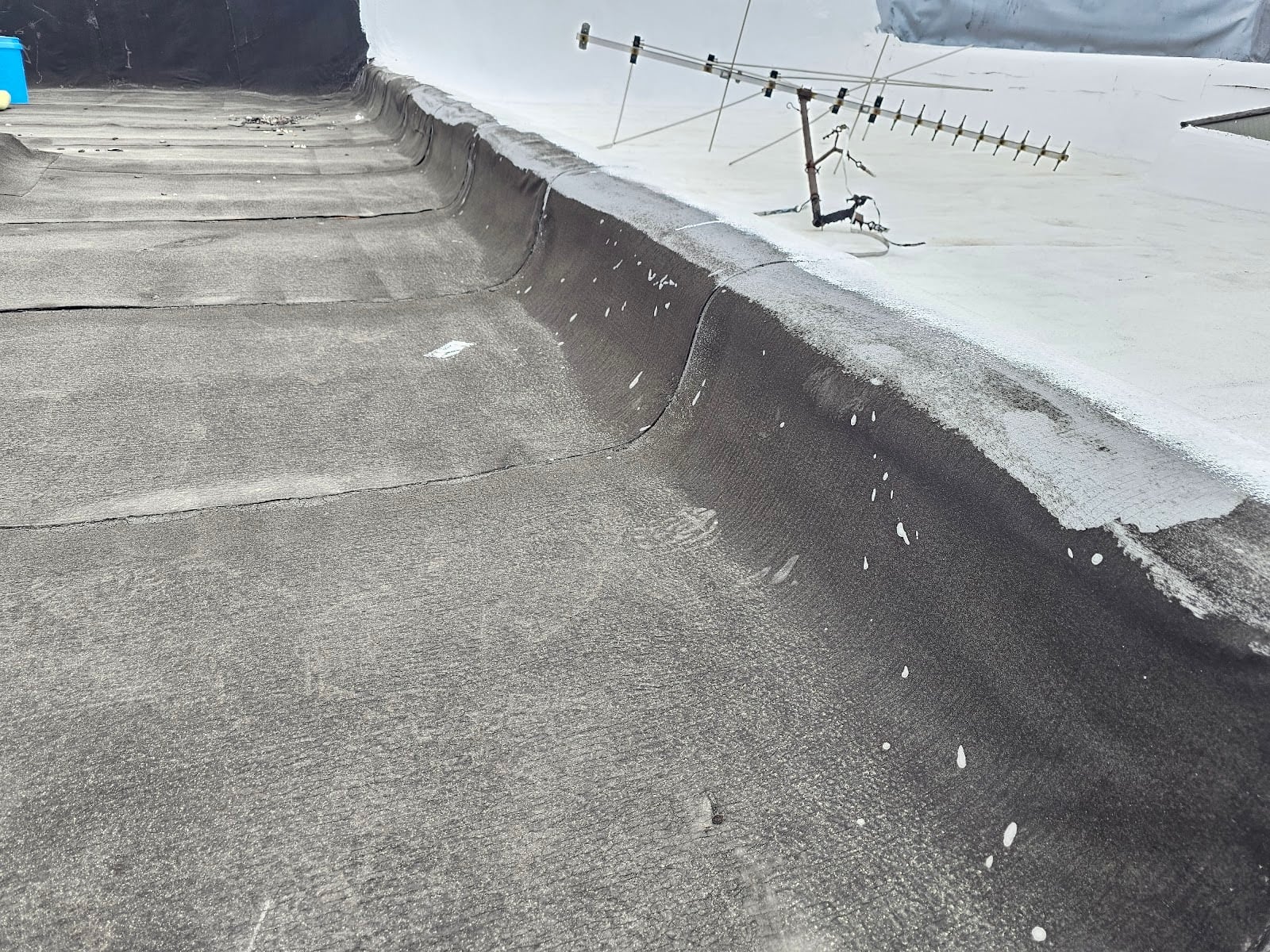
The picture below shows the roof at the highest level of the building. It happens to be a white thermoplastic membrane. Unlike the historic slate around the mansard at the top of the historic building facade, this type of roof system is a much more modern type of material. Thermoplastic low slope or flat roof membranes include a couple different types of material subclasses. One of those is a bit older than the other. PVC type roofs are one of the first types of thermoplastic membranes widely used in low slope or flat roofing.
If you are wondering why this building even has a flat roof, it’s a reasonable question. They could have essentially continued the mansard roofs and created a gable roof with a ridge or even a point. It would have been relatively complicated to build a sloped roof at that angle and at this height. Roofs that are very tall are more difficult to access and build. Also, there are building height limitations imposed by zoning and the building code.
It’s clear that there are larger buildings that surround this particular building, but those buildings were built in much more recent decades and have met other requirements to be built at that higher height. A different type of superstructure is required for a building to be built much higher. And as the zoning classifications are assessed and imposed, it often makes sense to keep a roof lower instead of building it unnecessarily high.

After PVC membranes had developed with a market into distribution channels throughout the industry, they became popular. Then, later, TPO roofs came out in the 1990s and became even more popular in the early 2000s. They are considered a greener alternative to PVC roof systems. They have a slightly higher reflectivity. That means that they reflect a higher degree of sunlight and therefore keep buildings cooler in the summer months. That helps reduce cooling (and energy) costs and or makes the building more comfortable.
Some of the other differences between the TPO and PVC membranes is that the TPO membranes are actually recyclable and have a lot less chemical byproducts that break down and lead to pollution than the PVC membranes. It would be great to go back to a time where we lived without plastics, because it would help our environment. Our environment and the health of the planet is more important than people realize today. Nonetheless, there’s no going back. In the circumstances of the realities of the built environment within which we live, TPO is a better choice.
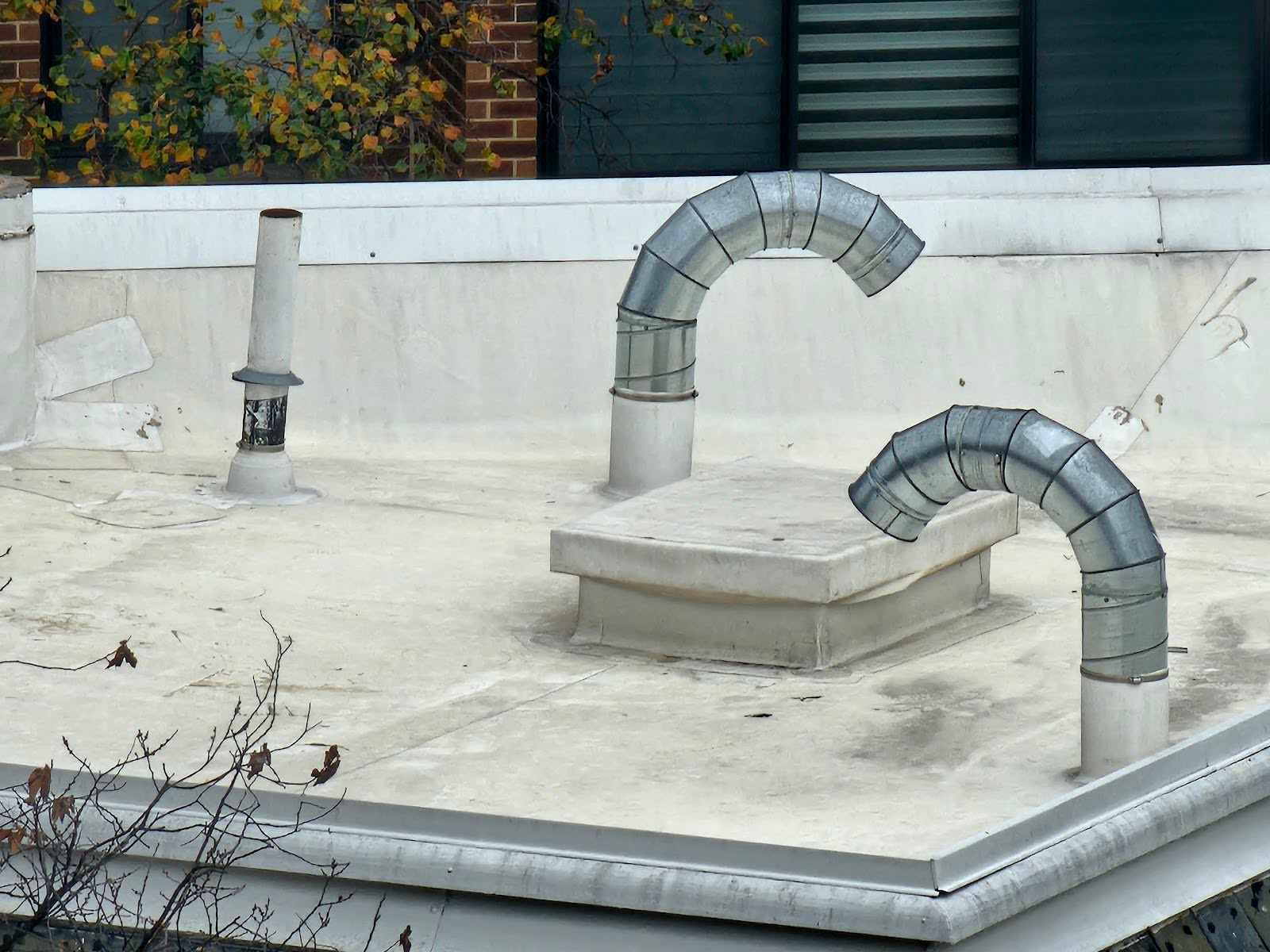
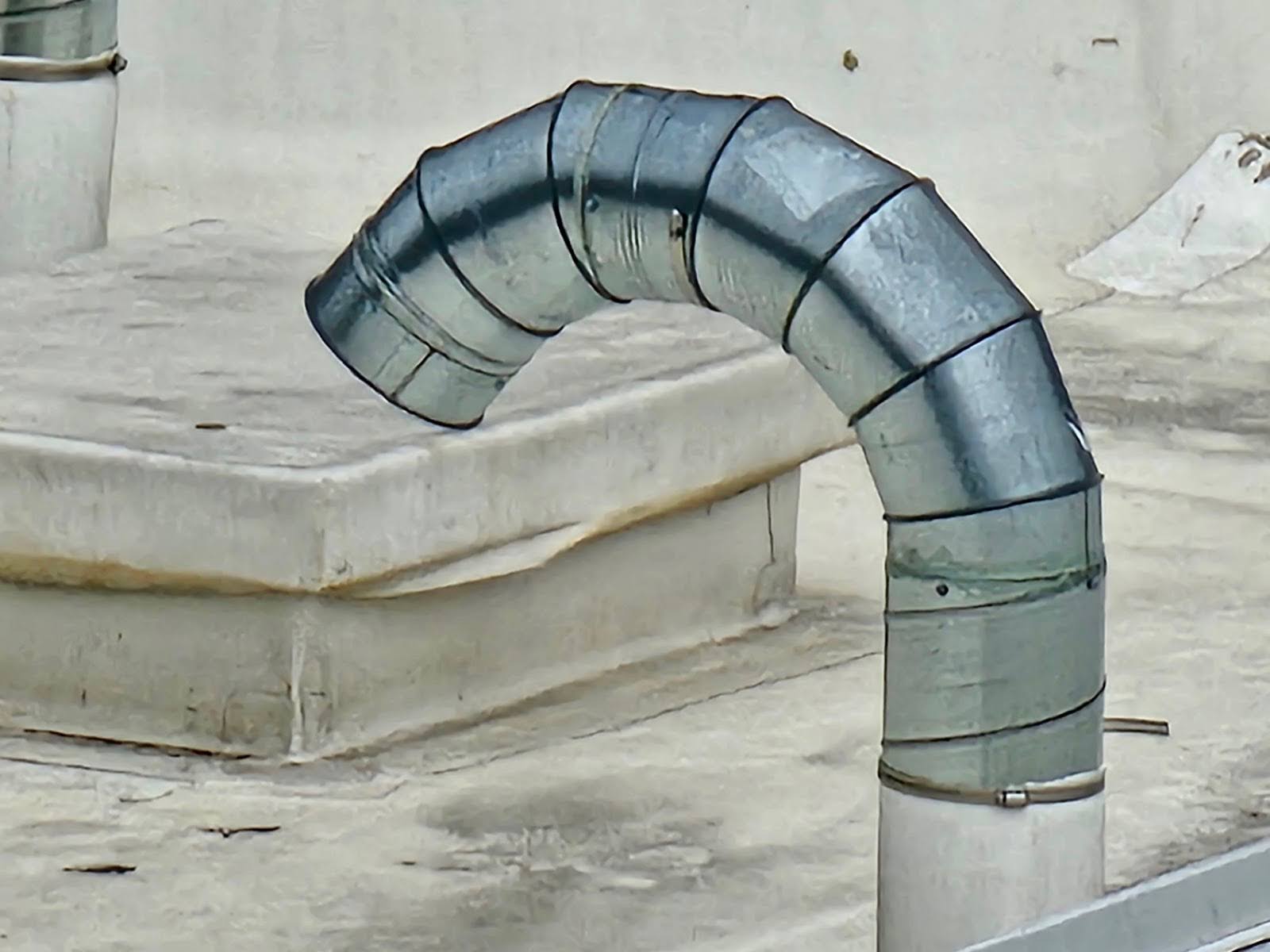
In the pictures above and below you can see exhaust ducts that have been built with a radius so that they work like a gooseneck. The point of this type of installation is to keep typical rainwater out but let air flow unimpeded. They are built with a sheet metal duck. The sheet metal is made from steel but then it is coated with a zinc surface so that it has a degree of resistance to oxidation. Generally when steel or iron is exposed to moisture, even just in the air, it can begin to rust.
When it’s exposed, on a roof, to full-blown weather elements like rain and sleet, ice, and snow, it will rust quickly. The rust will grow from just eating and changing the surface layer of the metal to eventually breaking down the metal completely. The zinc application can be applied through an electro-galvanized application or a hot dip type application. The hot dip type application is much stronger and lasts much longer.
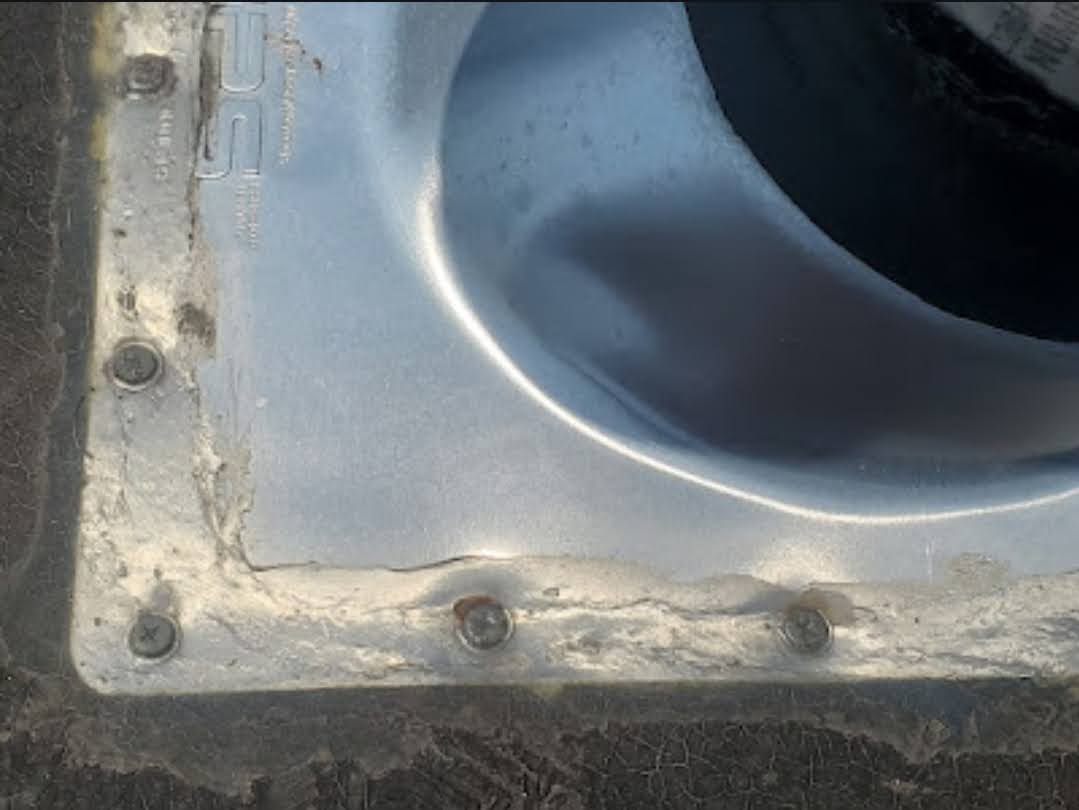
From our view of this installation, the roofing portion of sealing the base of the penetration looks correct. However, we would prefer to see a sealant applied at the joints of the ductwork as well. Without a sealant type application, water can seep down in through the joints of the ductwork.
We provide this information here on our blog, and our website, to help our customers and future clients, and we recommend every building owner in DC who values the longevity of their roof (and their investments) and building use a contractor who values the simple and important principles of proper roof construction like Dupont Roofing DC.
Our company specializes in flat roofing here in Washington DC and we’re happy to help building owners of almost all types. Learn more about our company and the proper techniques of working with roofing on historic buildings in Washington DC here on our blog at DupontRoofingDC.com, and you can call us at (202) 840-8698 and email us at dupontroofingdc@gmail.com. We are happy to help and at least talk through options.