Unexpected Roof Damage: When Nearby Debris Becomes a Problem
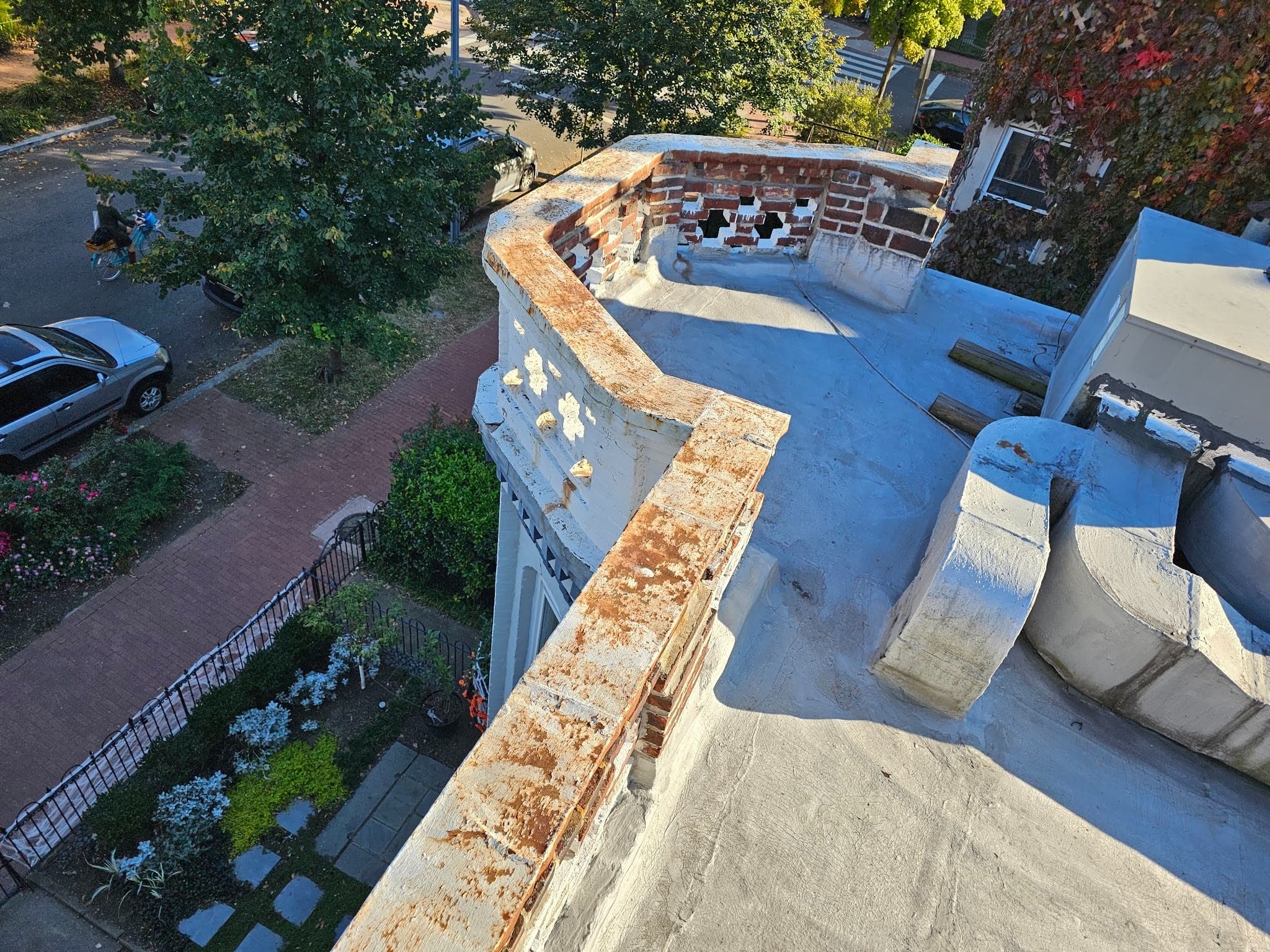
Here on our blog and website, in the past, we looked at examples where one particular roof had been redone and the contractor who did it wasn’t very professional. That contractor went and left all their trash on top of the neighbor’s roof. It’s not any better to leave it on the roof where they’re working, but they went and then put it on top of the roof next door to where they were working. It just feels and seems wrong for someone to do that but they were trying to save money and cut time.
They didn’t want to do the work right or pay the extra cost for disposal of their trash. They left it spread about on the roof next to theirs, right on the other side of the flat roof parapet. Here, somebody did something similar and it isn’t always just the simple annoyance of the trash that’s left behind.
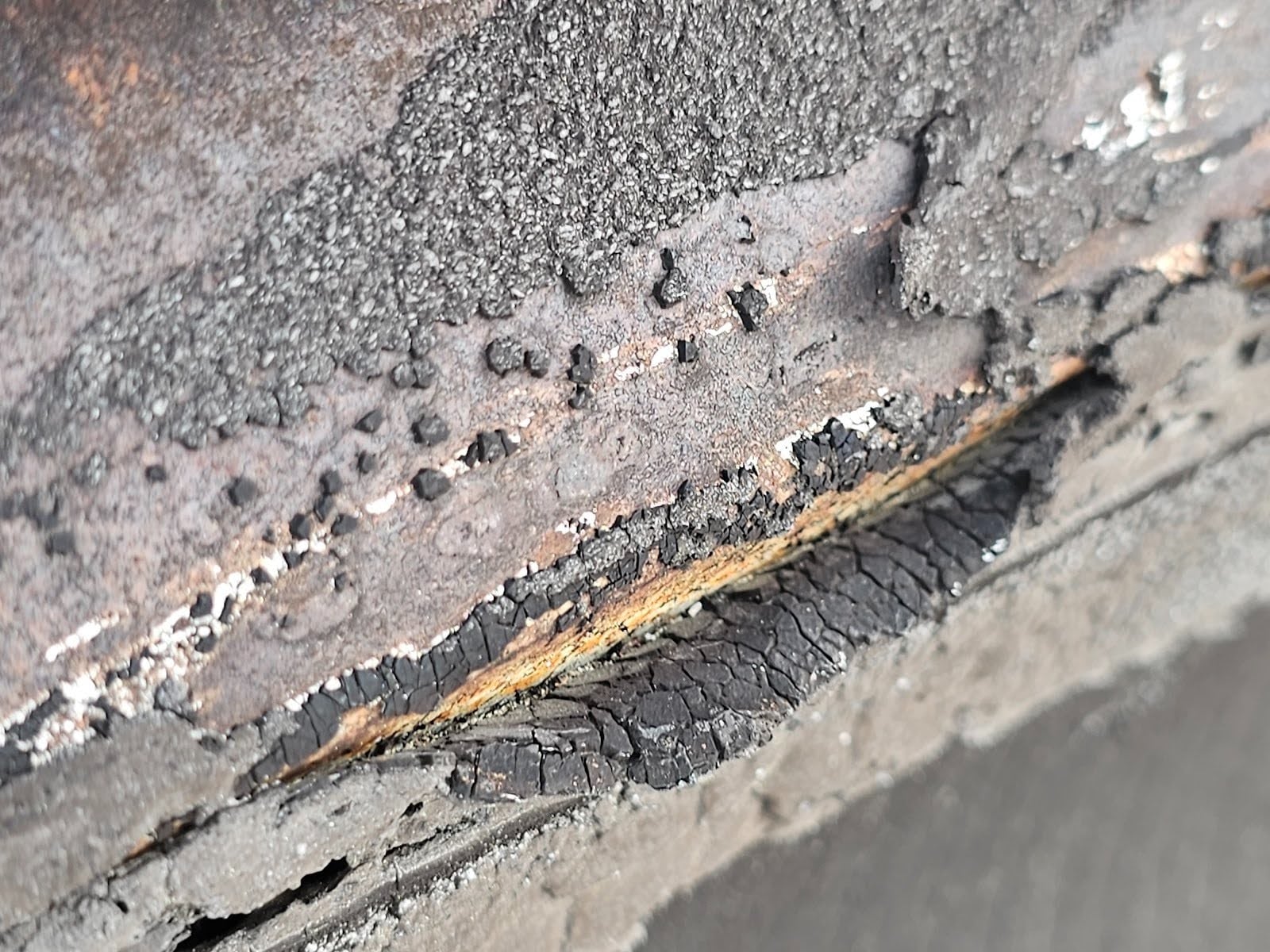
In this case they also walked across this neighbor’s roof and stepped on nails and caused damage from the trash they left behind. It’s one thing to just leave trash, but it’s another thing, and it’s worse, to walk all over that trash while it’s on somebody’s roof. Trash has things in it like fasteners, like screws and nails, and short pieces of metal which cut the roof at angles that make it similar to a knife or a blade. By walking on top of those things, they are essentially putting a lot of pressure on to sharp hard materials while those materials are set on top of a soft and delicate or sensitive roof membrane.
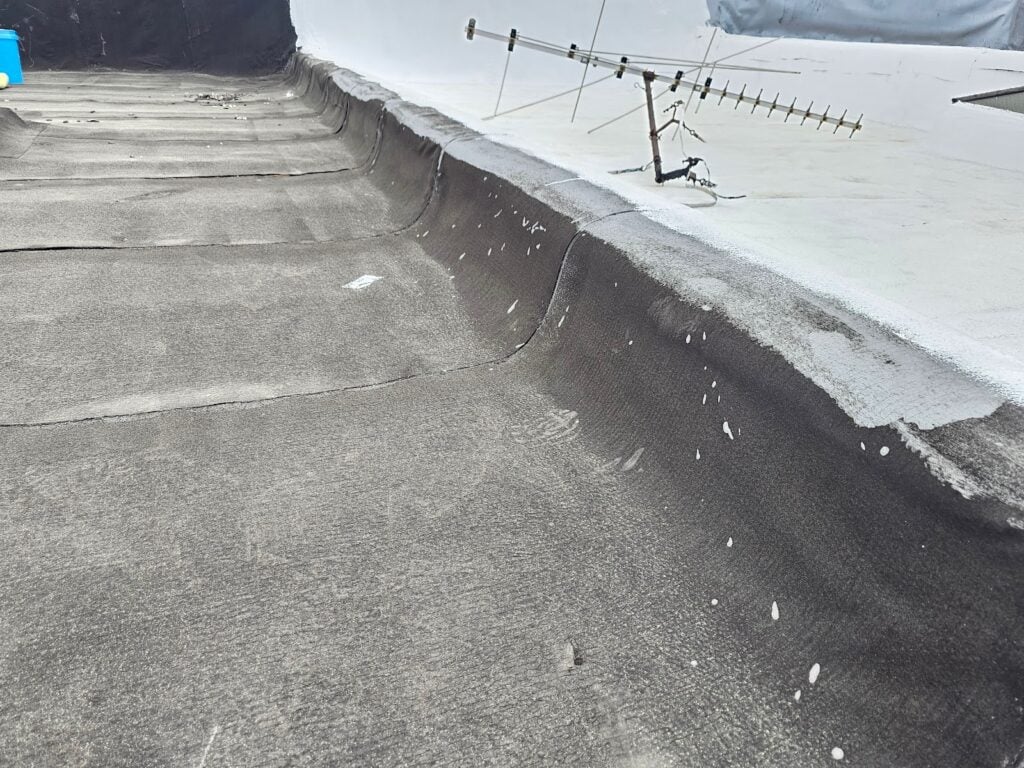
Different types of roof membranes have differences in their durability. EPDM is very common in commercial flat roofs. It might not intuitively make sense to consider a Washington DC row home a commercial roof because it’s a residential row home. It’s obvious that row homes are generally not used for commercial purposes. However, it’s actually pretty common that commercial roof materials are used on top of residential historic row homes. Since these roofs are flat, there are not many residential type materials that are made to work with a low slope membrane. Shingles are the single most common type of pitched roof material. They come in many different materials. Asphalt shingles are one of the most common.
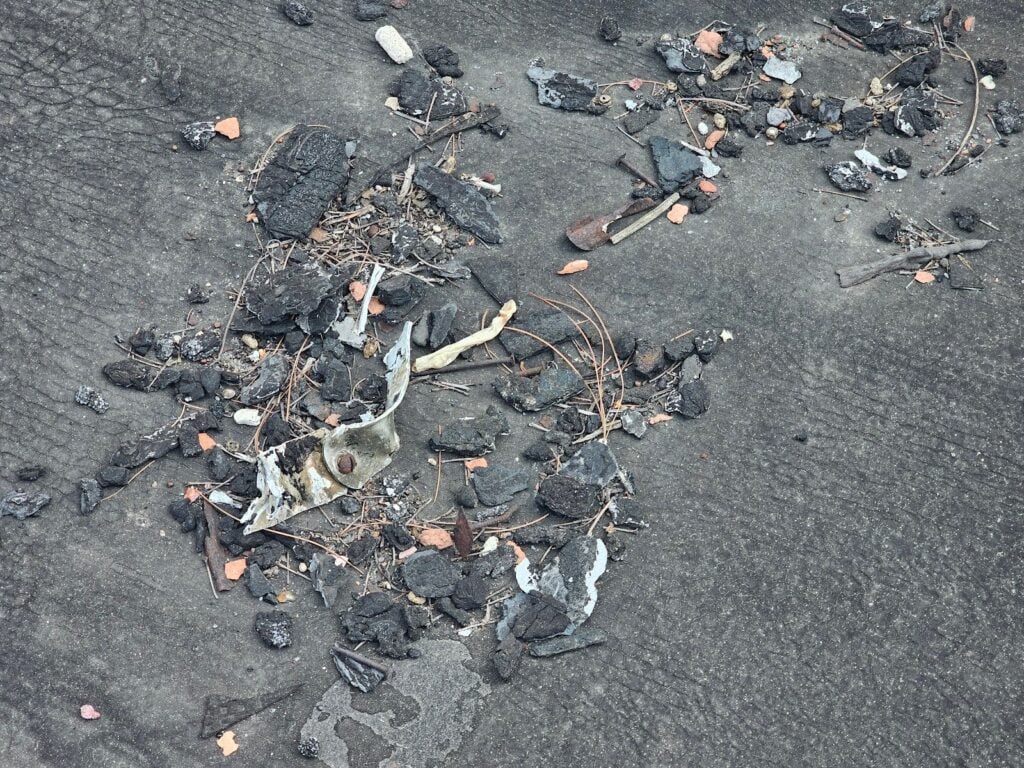
Based on the trash left behind, it looks like the old roof which was removed from the neighboring roof beside this one was made with built-up roof materials. Those materials are heavy and thick asphalt layers. There are thick black asphalt tar crumbs left behind scattered across the neighbor’s modified bitumen roof membrane. You can see these debris scattered all about the neighbor’s roof, where they left all this trash. The neighbor’s roof is made with a single-ply modified bitumen smooth membrane. Single-ply modified bitumen smooth membranes should be painted after they are installed.
We generally recommend waiting for up to about 6 months before applying the paint. That time allows the roof the weather just a bit to wear off some of the integral Elements which can work as the couplers.
Some of the internal and surface materials on the modified bitumen membrane will break down and work like a decoupler. A decoupler, in this context, is an agent that allows some separation between and applied coding. Imagine praying for applying oil on a baking pan before you put baking dough inside of the pan. Later, when you want to pull the baked good out of the pan, they don’t stick because that grease or oil it works as a decoupler.
In that particular case, the grease or oil applied to the pan, before baking, later works like a decoupler because it allows the bread or baked materials to cook without sticking to the sides and bottom of the pan.
In the case of greasing a pan before cooking, the grease acts as a helpful decoupler. In a situation like this, however, chemicals leach out of the roofing material over time, and having them act as a decoupler becomes a problem. It means that coatings such as roof paints can separate from the roof membrane.
For this reason, we recommend allowing the roof time to weather and age before applying any coating. Once it has properly aged, the roof should be thoroughly cleaned and then coated.
There are many types of roof coatings available, and some perform much better than others. Certain coatings can help reduce solar gain—the amount of heat absorbed by the roof membrane—which can make your home significantly hotter during summer.
By using coatings with higher reflectivity, your home stays cooler, helping reduce cooling costs during the hottest months.
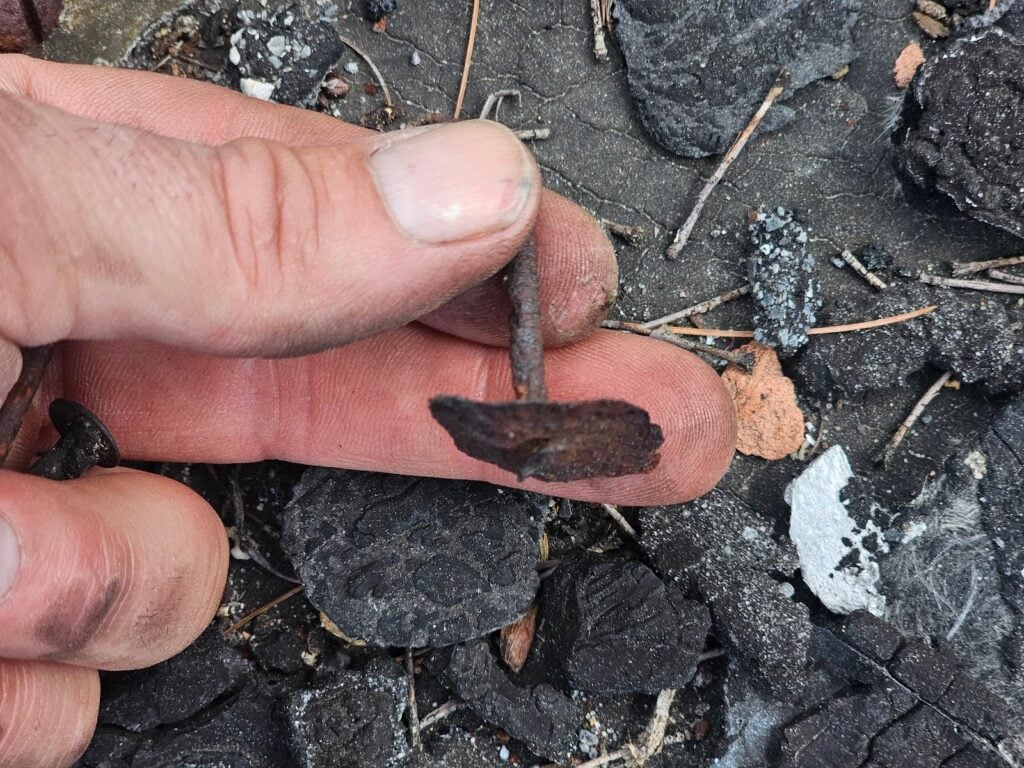
And is coming week, we’ll look at some of the damage caused by the trash left behind. Basically, when the neighbors contractor put all the roof debris on top of the neighbor’s roof and then walked on top of those debris, they damaged the neighbor’s roof. Will show several other pictures of the trash
We provide this information here on our blog, and our website, to help our customers and future clients, and we recommend every building owner in DC who values the longevity of their roof (and their investments) and building use a contractor who values the simple and important principles of proper roof construction like Dupont Roofing DC.
Our company specializes in flat roofing here in Washington DC and we’re happy to help building owners of almost all types. Learn more about our company and the proper techniques of working with roofing on historic buildings in Washington DC here on our blog at DupontRoofingDC.com, and you can call us at (202) 840-8698 and email us at dupontroofingdc@gmail.com. We are happy to help and at least talk through options